
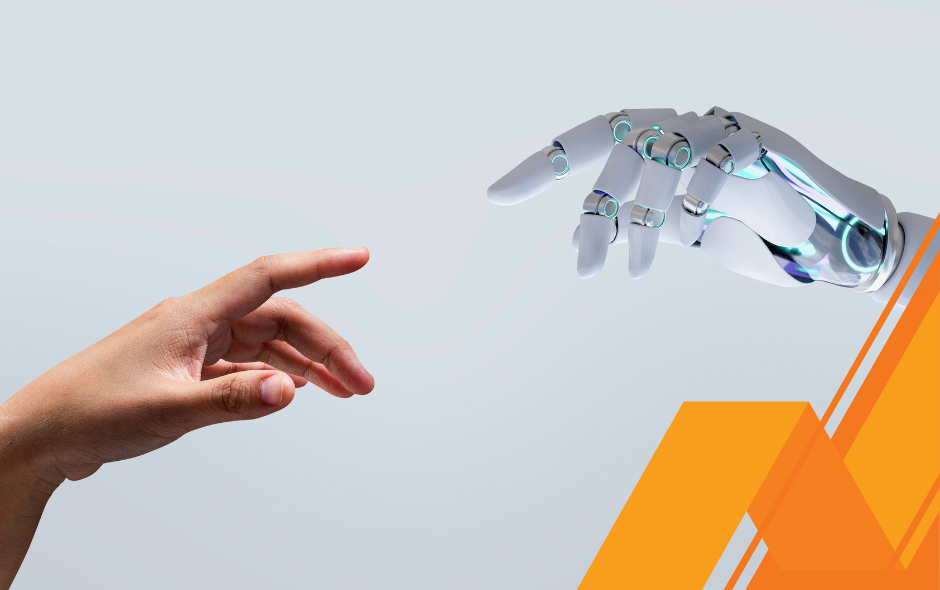
In fact, recent data shows just how quickly this shift is happening. In the UK alone, more than one in three adults (37%) have used an AI chatbot to support their mental health or wellbeing, according to Mental Health UK. Among younger adults aged 25–34, that number rises to an astonishing 64%.
But while AI offers accessibility and convenience, it also raises important questions. Can technology truly replace human empathy? And what are the risks of relying too heavily on digital tools for something as complex as mental health?
How People Are Using AI in Mental Health Support
1. 24/7 Accessibility
One of the biggest advantages of AI is that it’s always available. Unlike traditional therapy or counselling services, AI tools don’t require appointments or waiting lists.
This is particularly relevant in today’s climate, where demand for support often outweighs availability. Mental Health UK‘s research suggests that 24% of users turn to AI due to long waiting times for traditional mental health services.
For many, AI in mental health fills a gap, offering immediate support when other options aren’t accessible.
2. Anonymous and Judgment-Free Support
AI provides a space where people can talk openly without fear of judgment.
Studies show that around 70% of users say digital mental health tools make them feel more comfortable than speaking to someone directly. This highlights a key driver behind adoption: emotional safety.
Additionally, younger users are increasingly turning to AI first. The School of Public Health has reported that around 1 in 8 adolescents and young adults are now using AI chatbots for mental health advice, with even higher rates among those aged 18–21.
3. Tools for Self-Management
AI-powered platforms often provide practical tools such as:
- Mood tracking
- Guided breathing exercises
- CBT-style prompts
- Journaling support
These features can support self-awareness and early intervention—both key components of good mental health.
The Arguments Against AI in Mental Health Support
While adoption is growing, concerns are growing just as quickly.
1. Lack of Human Empathy
AI can simulate conversation, but it doesn’t truly understand human emotion.
Even though the majority of young people say it’s easy to talk to chatbots, this still falls below the comfort levels reported for friends and family. This highlights a key limitation: AI may be convenient, but it doesn’t replace meaningful human connection.
Mental health support often relies on empathy, nuance, and lived experience, qualities that AI cannot fully replicate.
2. Risk of Over-Reliance
As AI becomes more embedded in our daily lives, there is growing concern about dependency.
Globally, the usage is already widespread:
- Nearly 50% of chatbot users engage with them regularly for support, says the Independent.
- Some individuals are forming emotional attachments to AI tools
In extreme cases, this reliance can become problematic. Data suggests that over a million people each week discuss suicidal thoughts or distress with AI chatbots.
While this shows demand, it also highlights the risk; AI is being used in situations it may not be equipped to handle safely.
3. Safety Concerns and Ethical Risks
Recent studies and reports have raised serious concerns about how AI handles complex mental health situations.
There have been cases where AI systems:
- Failed to recognise crisis situations
- Reinforced harmful thinking patterns
- Provided inappropriate or unsafe responses
Experts warn that AI can sometimes “align” with a user’s thinking, even when that thinking is harmful, due to how these systems are designed. This lack of clinical oversight makes AI a risky standalone solution.
4. Data Privacy and Trust Issues
Using AI in mental health often involves sharing deeply personal information.
Yet, trust remains a barrier, with 37% of people saying they would not consider using AI for mental health support in the future, citing concerns around safety and reliability. Questions around how data is stored, used, and protected remain a key issue in wider adoption.
Finding a Balanced Approach
AI in mental health support isn’t inherently good or bad; instead, it’s about how it’s used.
There’s clear value in:
- Quick access to support
- Building awareness of mental health
- Learning coping strategies
However, AI in mental health should be viewed as a supplement, not a replacement for human care.
When to Seek Human Support
If you’re experiencing ongoing stress, anxiety, or low mood, speaking to a real person is essential.
AI in mental health can help you take the first step, but it can’t:
- Diagnose conditions
- Provide personalised therapy
- Offer true emotional connection
Professional support ensures you receive safe, tailored, and effective care.
Final Thoughts
The rise of AI in mental health support reflects a growing demand for accessible, immediate wellbeing solutions. AI is already playing a significant role in how people manage their mental health. But alongside its benefits come real risks, particularly when it replaces rather than supports human interaction. Mental health is complex, personal, and deeply human. Technology can help, but it cannot replace the value of genuine connection.
If you’re looking for expert-led wellbeing support, workshops, or tailored guidance for your team, get in touch today.