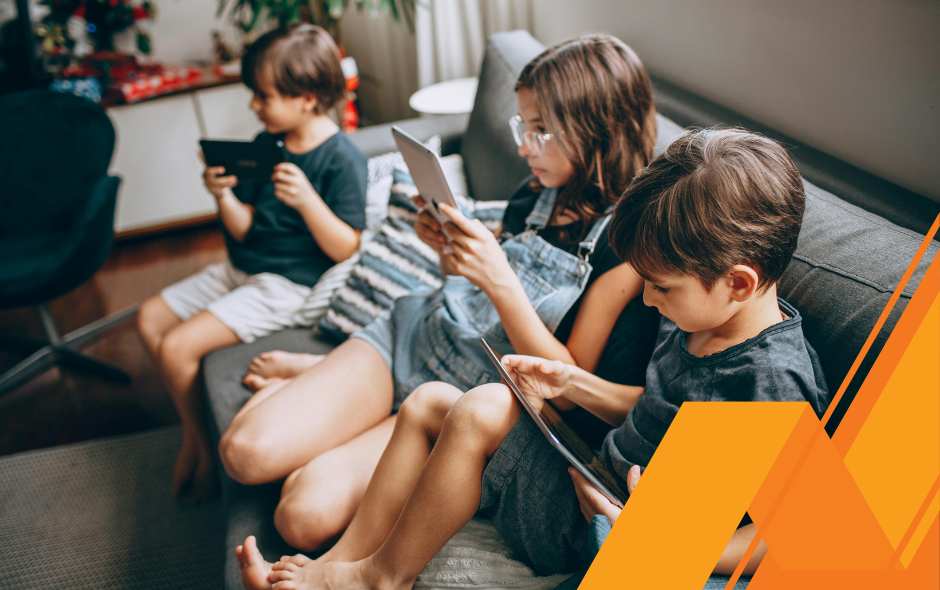
The UK Government has recently announced that social media platforms will be banned for children under the age of 16, beginning in 2027. This decision has brought up a conversation that has been spoken about for years – what is the relationship between mental health and social media?
The decision to ban social media for under-16s follows growing concerns from parents, educators, and healthcare professionals. While many have encouraged the ban as an important step towards protecting young people, many others argue that the issue is far more complex than simply removing access to the platforms.
Is there really a link between mental health and social media?
Social media itself isn’t inherently harmful. For many young people, it offers easy opportunities to connect with friends and express creativity while being able to access support networks and learn new skills.
However, research consistently shows that how young people use social media (and how much time they spend on it) can significantly influence their mental wellbeing.
The UK Government has justified the upcoming restrictions by highlighting concerns that many social media platforms are designed to maximise engagement through features such as notifications and personalised algorithms. Ministers argue that these design features can contribute to poor mental health, cyberbullying and early exposure to harmful content.
What does the evidence say?
The relationship between mental health and social media is not as straightforward as many headlines or parents would like to think.
Research has linked excessive social media use with:
- Increased symptoms of anxiety and depression
- Poor sleep quality
- Lower levels of self-esteem
- Greater exposure to cyberbullying
- Increased concerns around body image and appearance
- Reduced physical activity levels
One of the biggest concerns around mental health and social media is the exposure to harmful content. Recent UK research found that almost half of teenage girls and around one-third of teenagers had seen suicide, self-harm or eating disorder content on social media within a single week, despite existing safety measures on the platforms. These findings have strengthened the call for tighter regulations on the topics of mental health and social media.
At the same time, researchers stress that social media is rarely the sole cause of poor mental health. Things like family relationships, socioeconomic circumstances, offline friendships and existing mental health conditions all play significant roles.
What do mental health professionals think?
Many healthcare professionals support stronger protections for children online, but not necessarily blanket bans.
Clinical psychologist, Professor Sonia Livingstone, is one of the UK’s leading experts on children’s digital lives and has repeatedly argued that the focus should be on making online spaces safer rather than placing responsibility solely on young people. She has emphasised that children deserve “better digital environments” rather than reduced access to the platforms.
The Mental Health Foundation has also warned that while restrictions may reduce exposure to harmful content, policymakers must be careful not to remove valuable online communities that many vulnerable young people rely upon for support.
Developmental psychologist Dr Monika Neff Lind recently stated:
“There is no solid scientific evidence behind these bans.”
She and fellow researchers argue that even though social media certainly presents risks, the current evidence does not prove that banning access will significantly improve young people’s mental health. Instead, they recommend focusing on digital literacy, parental involvement and platform accountability.
Why are young people particularly vulnerable?
Adolescence is a critical period of emotional, psychological and social development.
During these years, the brain is particularly sensitive to reward, social acceptance and peer feedback. Social media features such as likes, comments, follower counts and viral trends can therefore have a greater emotional impact on teenagers than adults.
Social media users may also compare themselves with the carefully curated online lives of influencers, leading to unrealistic expectations around appearance, success, or popularity.
Cyberbullying can further amplify challenges experienced, as online harassment often follows young people beyond the school day and into their homes.
Sleep is another major concern. Many teenagers use smartphones late into the evening, which is reducing sleep quality through both screen exposure and constant notifications. Poor sleep is strongly associated with increased anxiety, low mood and reduced emotional resilience.
Could a ban improve mental health?
The honest answer is possibly, but not on its own.
Supporters argue that reducing access during key developmental years could:
- Reduce exposure to harmful content
- Lower rates of cyberbullying
- Improve sleep
- Encourage more face-to-face interaction
- Reduce compulsive screen use
However, critics point out several potential challenges.
Young people may simply move to use less regulated platforms or use false ages to create accounts to access content through alternative apps.
There are also concerns that some young people could lose access to supportive online communities, particularly those experiencing loneliness, disability or mental health difficulties.
Building healthier digital habits
Whether or not someone supports the Government’s decision, healthy digital habits benefit everyone.
Parents, schools and employers can all help by encouraging:
- Open conversations about online experiences
- Screen-free time before bed
- Critical thinking around online content
- Healthy boundaries with technology
- Positive offline activities, including exercise and hobbies
- Seeking support early when mental health concerns arise
Digital wellbeing should become part of everyday conversations, just like physical health.
The bigger picture
The UK’s social media ban reflects growing recognition that children’s mental health deserves greater protection in today’s digital age.
However, the link between mental health and social media is only one piece of a much larger puzzle.
Improving digital mental wellbeing will require collaboration between technology companies, governments, schools, families and healthcare professionals to create safer digital spaces while equipping young people with the knowledge and resilience to navigate them confidently.
As the digital world continues to quickly evolve, helping people build resilience and healthy habits will remain just as important as the legislation designed to protect them when it comes to mental health and social media.