
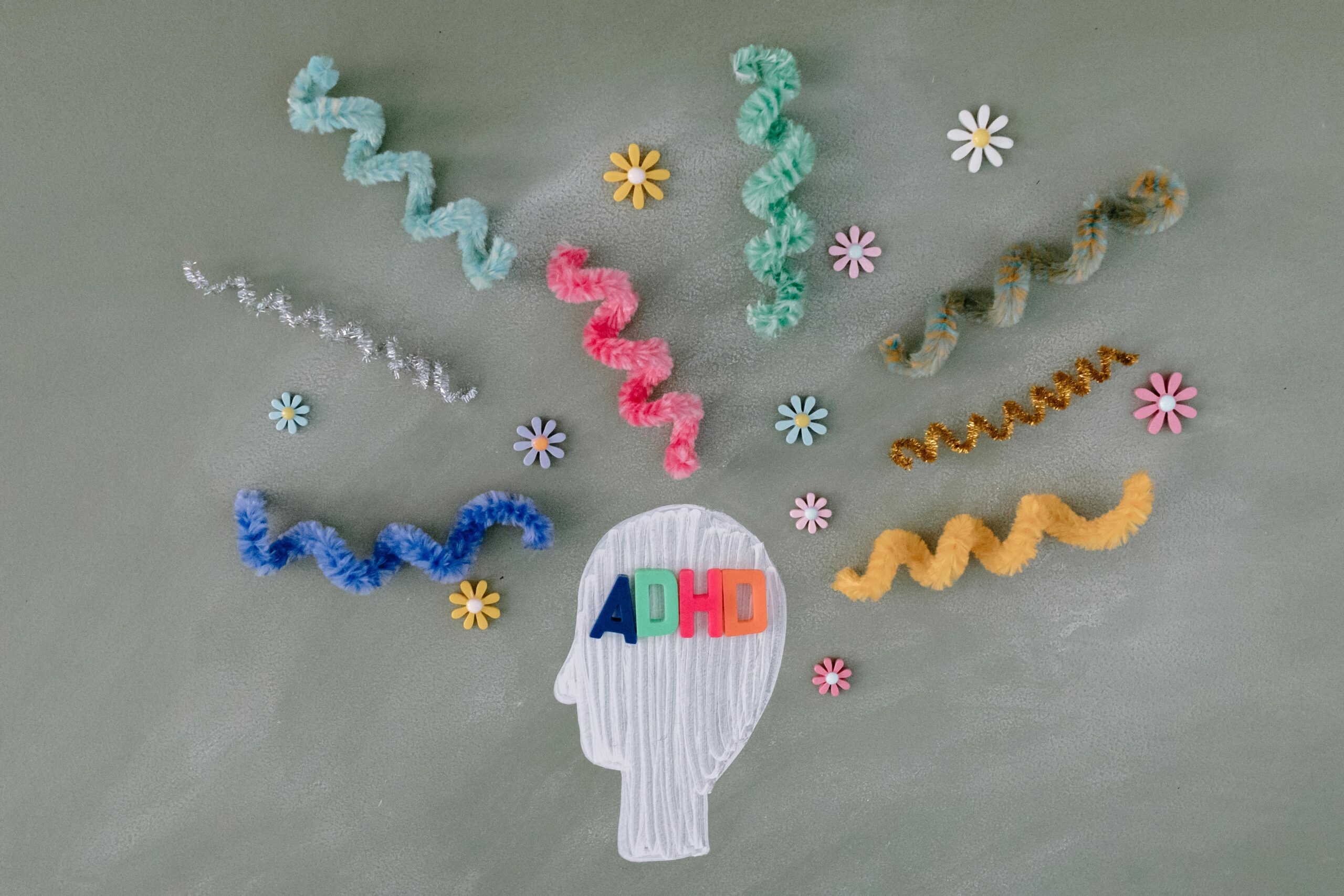
For many women, receiving an ADHD diagnosis later in life can feel like a moment of clarity – the missing piece to years, sometimes decades, of feeling “different,” overwhelmed, or misunderstood.
While ADHD is often stereotyped as a childhood condition affecting energetic young boys, the reality is far more complex. Thousands of women grow up without ever being recognised, supported, or even considered for an ADHD assessment. And it’s only in adulthood; sometimes after hitting burnout, struggling in work, or facing emotional exhaustion, that the truth finally emerges.
We support individuals managing long-term conditions, including ADHD, and we’ve seen firsthand how powerful understanding and validation can be. A late diagnosis doesn’t erase the challenges someone has faced, but it can provide a fresh start, new tools, and a healthier relationship with oneself.
Why ADHD in Women Often Goes Undiagnosed
For years, ADHD research focused primarily on boys, meaning diagnostic criteria were shaped around hyperactivity, disruptive behaviour, and difficulty sitting still. But many women don’t display those traits. Instead, they often present with internal symptoms – the ones that are quieter, harder to spot, and more likely to be dismissed.
Girls commonly grow up being described as “daydreamers,” “chatty,” “sensitive,” or “disorganised,” rather than recognised as neurodivergent. They often mask their struggles by working harder, becoming people-pleasers, or constantly overcompensating to blend in. By adulthood, this masking becomes second nature and can make ADHD even harder to detect.
The Hidden Signs Many Women Experience
While every individual is different, many women share similar experiences long before receiving a diagnosis. These often include:
-
Feeling overwhelmed by everyday tasks, even when they seem simple to others
-
Chronic disorganisation despite trying every planner, app, or system
-
Intense emotional responses or difficulty regulating emotions
-
Racing thoughts and difficulty switching off
-
A lifetime of being told they are “lazy,” “messy,” “forgetful,” or “too sensitive”
-
Periods of hyperfocus where hours disappear
-
Exhaustion from constantly masking or overcompensating
Because women often internalise their struggles, the emotional toll can be significant. Anxiety, low self-esteem, and depression frequently overlap with undiagnosed ADHD, leading many women to seek help for these symptoms long before ADHD is mentioned.
The Impact of a Late Diagnosis
A late diagnosis often brings a mix of relief, grief, and empowerment. Relief in finally understanding why certain things have always felt harder. Grief for the years spent struggling without support. And empowerment in having a name, a framework, and new tools to move forward.
Many women describe their diagnosis as life-changing. It helps them reframe past experiences, rebuild self-worth, and recognise their strengths, creativity, empathy, problem-solving, big-picture thinking, curiosity, and resilience.
It also opens the door to tailored support, whether through coaching, therapy, lifestyle adjustments, or workplace accommodations.
How Support Makes a Difference
With the right support, women diagnosed later in life can learn effective strategies to manage ADHD and rebuild confidence. We help individuals understand their symptoms, develop personalised routines, manage emotional wellbeing, and create balance in both their personal and professional lives.
Simple changes – such as breaking tasks into manageable steps, using visual prompts, setting realistic expectations, or exploring new coping techniques – can have a deeply positive impact on day-to-day life.
Late Doesn’t Mean Too Late
If you or someone you support is navigating a new ADHD diagnosis, The Better Health Generation is here to help. With the right understanding and tools, life can feel clearer, calmer, and more aligned than ever before.