
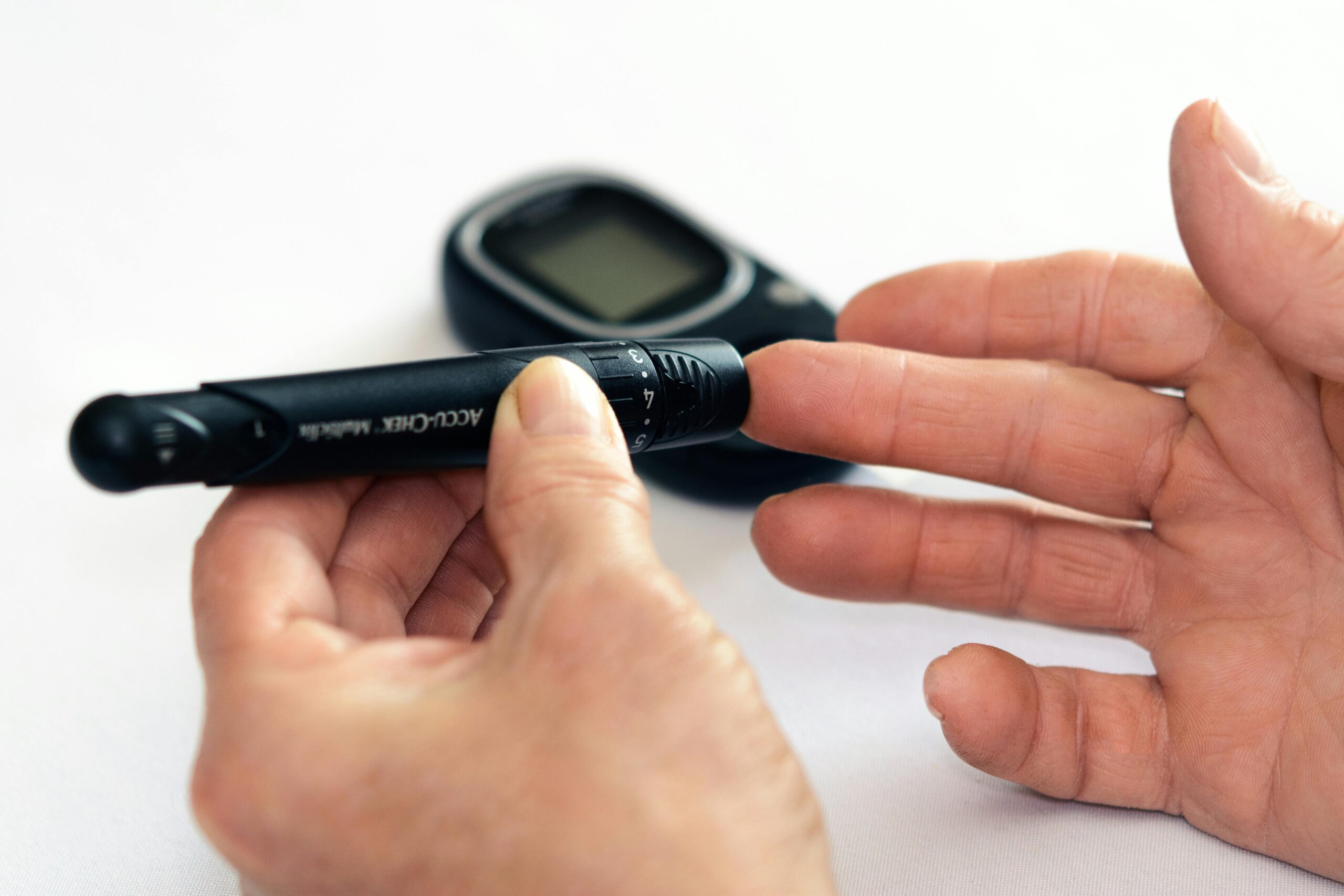
Every year on 14th November, we recognise World Diabetes Day; a day to raise awareness, challenge stigma, and empower individuals to better understand and manage diabetes.
In our industry, we see firsthand how long-term conditions like diabetes can affect not just physical health, but also emotional wellbeing, confidence, and quality of life. This annual campaign is a powerful reminder that awareness saves lives and that small steps can make a big difference.
What is Diabetes and Why Should We Care?
Diabetes is a long-term condition that affects how the body processes blood sugar. More than 4.3 million people in the UK live with a diagnosis, but it’s also widely misunderstood. Type 1 diabetes is caused by an autoimmune response and often appears in childhood. Type 2 diabetes is far more common and influenced by a combination of genetics, lifestyle factors, and social determinants of health, such as access to healthy food or opportunities for physical activity.
What’s often overlooked is that diabetes isn’t just about blood sugar. If left unmanaged, it can lead to serious complications, including heart disease, nerve damage, sight loss, and mental health challenges like stress and anxiety. That’s why awareness, early detection, and ongoing support matter.
The Role of Education and Support
This year’s World Diabetes Day theme highlights the importance of access to diabetes education. Knowledge helps people understand symptoms, reduce risks, and gain confidence in managing their health. But education isn’t just for those living with diabetes; it can be for their families, employers, schools, and communities, all benefit from greater understanding.
Our clinicians support individuals living with long-term health conditions, including diabetes, by taking a holistic approach. Our work goes beyond treatment; we help people build resilience, learn self-management skills, and feel empowered to make sustainable changes. Whether that’s supporting someone returning to work, helping them manage fatigue, or building routines that support both physical and mental wellbeing.
Spotting the Signs Early
Recognising the early symptoms of diabetes can prevent complications and dramatically improve outcomes. Common signs include:
-
Increased thirst
-
Frequent urination
-
Fatigue
-
Unexplained weight changes
-
Slow-healing sores
-
Blurred vision
Too often, these early warnings are missed or dismissed.
Small Steps, Big Impact
Diabetes prevention and management don’t have to be overwhelming. Small, consistent changes can make a meaningful difference:
-
Adding short daily walks
-
Choosing balanced meals
-
Prioritising sleep
-
Reducing stress through mindfulness or relaxation techniques
-
Staying connected with supportive people
Whether you’re living with diabetes, supporting someone who is, or simply want to understand the condition better, today is the perfect moment to learn, speak out, and get involved.