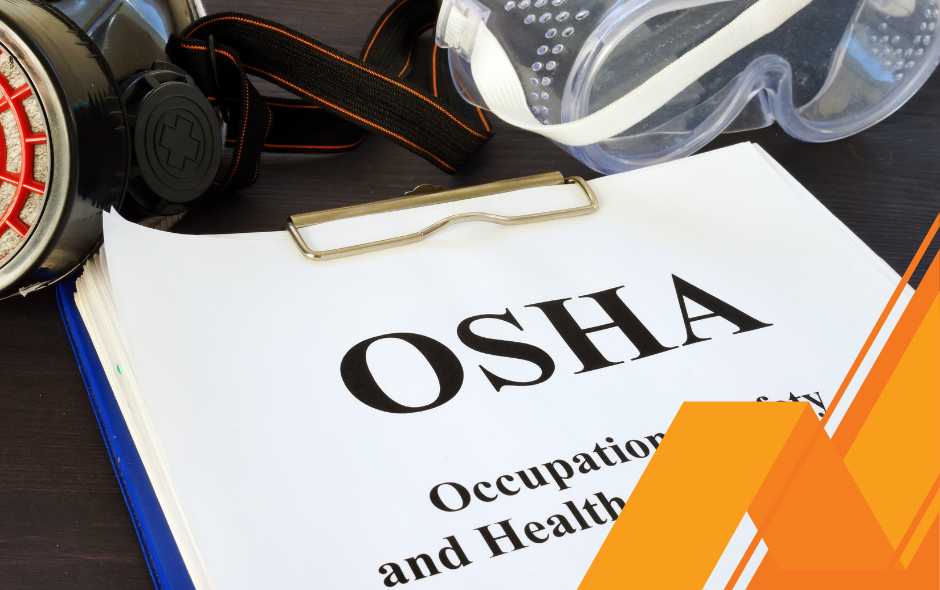
Occupational Health Awareness Week takes place from 21st to 27th September, with this year’s campaign encouraging employers and employees to recognise the value of accessing occupational health support early.
For employers, early occupational health intervention can provide an insight into how a health condition may be affecting an employee at work, what support may be appropriate, as well as what practical steps could help them remain in work or return safely following sickness absence.
Occupational health support to help employers understand the relationship between health and work and develop practical, appropriate solutions for their people.
What is occupational health?
Occupational health focuses on the relationship between an individual’s health and their ability to work.
It considers how work can affect health and how an employee’s health can affect their ability to carry out their role.
Occupational health professionals provide specialist advice to help employers support employees experiencing health challenges. This can include advice around fitness for work, workplace adjustments, managing health conditions and supporting a safe return to work.
The Health and Safety Executive (HSE) recognises occupational health as an important part of protecting workers’ physical and mental health.
Why is early occupational health support important?
An employee may initially be managing a health condition alongside their usual responsibilities. Over time, however, their symptoms could begin to affect their attendance, performance, confidence or ability to carry out particular tasks.
Waiting until the situation has escalated can make finding an effective solution more challenging.
Early occupational health support provides an opportunity to understand the situation sooner and consider what could help before problems become more significant.
This doesn’t mean that every health concern requires an occupational health referral. Instead, it is about recognising when specialist advice could be useful and making that support available at an appropriate stage.
Early intervention can support employees to stay in work
One of the key benefits of occupational health is the opportunity to focus on what an employee can do, rather than simply on their health condition or absence.
Depending on the circumstances, occupational health advice may help identify practical ways of supporting someone to remain at work while managing their health.
This could involve:
-
Temporary or permanent adjustments to working arrangements
-
Changes to duties or responsibilities
-
Flexible working arrangements
-
Workplace equipment or environmental adjustments
-
Additional support during a period of recovery
-
Ways of managing a health condition alongside work
The appropriate approach will depend on the individual, their role and their circumstances. Occupational health professionals can provide evidence-based advice to help employers make informed decisions.
Occupational health and sickness absence
Health-related absence can be challenging for both employees and employers.
For an employee, being away from work can affect their financial security, confidence, routine and connection with colleagues. For an organisation, prolonged or repeated absence can create operational pressures and additional demands on teams.
Early occupational health support can help employers better understand the factors affecting an employee’s ability to work and consider appropriate support.
The HSE recommends that employers consider workplace adjustments and seek professional advice on issues such as fitness for work and return-to-work arrangements where appropriate.
The aim isn’t simply to get someone back to work as quickly as possible. A sustainable return that considers the individual’s health, safety and circumstances is important.
Occupational health isn’t just for long-term absence
There can be a misconception that occupational health is something to consider only when an employee has been absent for a long period of time.
Occupational health support may be relevant when an employee:
-
Has developed a new health condition
-
Is experiencing difficulties managing an existing condition at work
-
Has recurring or intermittent sickness absence
-
Is preparing to return following sickness absence
-
Has experienced an injury or illness that could affect their work
-
May benefit from reasonable workplace adjustments
-
Is struggling with the impact of work on their health
-
Needs specialist advice about their ability to carry out their role safely
Accessing support earlier can allow employers and employees to explore options before a problem becomes more difficult to manage.
Supporting both physical and mental health
Mental health can have a significant impact on an individual’s experience of work, just as workplace factors can affect mental wellbeing.
Occupational health can help employers understand how a health condition may affect an individual’s ability to work and what workplace support or adjustments may be appropriate.
This is particularly important because every employee’s experience is different. Two people with the same diagnosis may have very different symptoms, circumstances and support needs.
Occupational health advice provides an opportunity to look at the individual rather than making assumptions based solely on a diagnosis.
What happens during an occupational health assessment?
An occupational health assessment is designed to understand the relationship between an employee’s health and their work.
Depending on the circumstances, an occupational health professional may consider:
The employee’s health: Understanding relevant health concerns and how they may affect day-to-day functioning.
Their role: Looking at the duties, responsibilities and demands of the employee’s job.
The impact on work: Considering whether the health concern is affecting attendance, performance, safety or particular aspects of the role.
Potential adjustments: Identifying reasonable and practical measures that could support the employee.
Future support: Considering whether further occupational health input, treatment or workplace support may be appropriate.
The purpose is to provide employers with professional advice that can inform workplace decisions while maintaining appropriate confidentiality.
Creating a culture where asking for support is normal
Early occupational health intervention isn’t solely about having the right referral process in place.
It is also about creating a workplace culture where employees feel able to talk about health concerns and access support without feeling that doing so is a sign of weakness.
Regular, supportive conversations can help identify when someone may be struggling, while clear policies and processes can make it easier for managers to know when additional professional advice may be appropriate.
Organisations should also ensure managers understand that they aren’t expected to diagnose health conditions themselves. Their role is to support the employee and recognise when specialist advice may be beneficial.
Occupational health support can benefit employers too
Occupational health can provide employers with valuable insight into workplace health, helping them understand recurring challenges, identify potential risks and consider how their approach to employee wellbeing could be strengthened.
Effective occupational health support can form part of a wider approach to:
-
Employee wellbeing
-
Workplace health
-
Sickness absence management
-
Health and safety
-
Employee retention
-
Return-to-work planning
-
Reasonable workplace adjustments
-
Supporting employees with long-term health conditions
Ultimately, healthier workplaces are created through a combination of good management, appropriate workplace practices and access to the right professional support.
Get occupational health support early
Early support doesn’t mean waiting until an employee is unable to work. It means recognising when specialist advice could help and considering that support before challenges become more difficult to manage.
Our occupational health services can support employers with professional advice around health and work, helping them make informed decisions and identify appropriate support for their employees.
Whether an employee is managing an existing health condition, experiencing difficulties at work or preparing to return following sickness absence, occupational health can help employers take a more informed and individual approach.