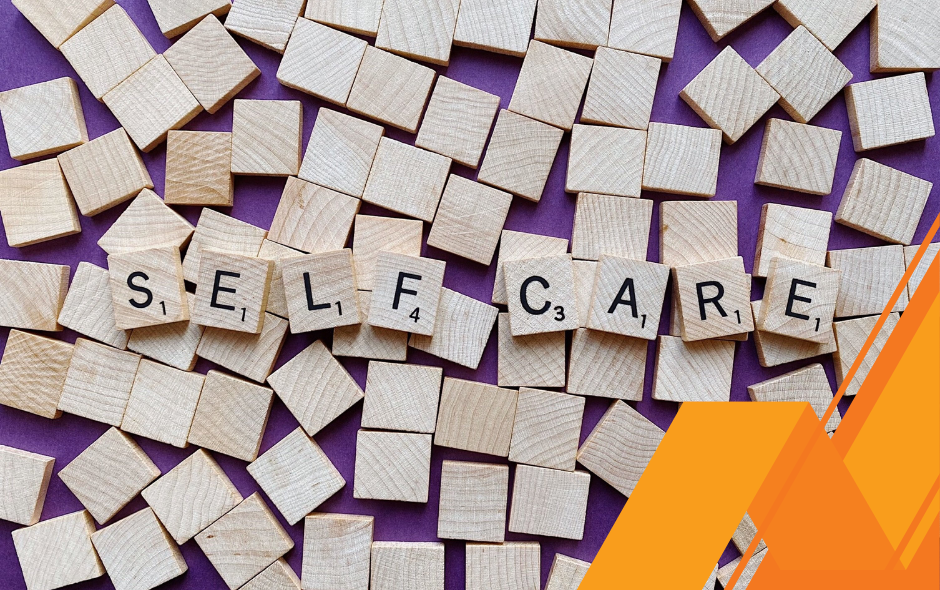
Every year on 24th July, people around the world recognise International Self-Care Day as a gentle reminder that taking care of yourself isn’t at all selfish. While self-care is often thought to be things like spa days or treating yourself to something nice, its true meaning goes much deeper than most think.
Self-care is all about making intentional choices that support you physically, emotionally and mentally. From getting enough sleep to setting healthy boundaries in your life, the small habits we build every day can have a significant impact on how we feel.
International Self-Care Day offers the perfect opportunity to reflect on how we care for ourselves and why it matters.
What Is Self-Care?
According to the World Health Organization, self-care is the ability of individuals, families and communities to promote health, prevent disease and cope with illness, with or without the support of a healthcare professional. Self-care can include things like:
- Prioritising quality sleep
- Eating a balanced diet
- Staying physically active
- Managing stress
- Maintaining social connections
- Practising mindfulness
- Knowing when to seek professional support
The Connection Between Self-Care and Mental Health
When life becomes busy, stressful, or overwhelming, self-care is often the first thing to disappear from our routines. This has a direct impact on how we think, feel and respond to situations. This comes down to increased stress levels, contributing to burnout faster and leaving us feeling emotionally exhausted.
Research from the Mental Health Foundation shows that everyday actions such as spending time outdoors, connecting with others and maintaining healthy routines can have a positive effect on mental wellbeing. These simple habits may help:
- Reduce stress and anxiety
- Improve mood
- Increase resilience
- Boost confidence
- Improve sleep quality
- Enhance concentration
Rather than seeing self-care as a luxury, as many of us do, it’s more helpful to think of it as preventative maintenance for both body and mind.
Small Self-Care Habits
Many people believe self-care requires lots of time or money, but some of the most effective practices are completely free.
Move Your Body
Exercise releases endorphins, helping improve mood while reducing stress and anxiety. Whether it’s a short walk, yoga or dancing around the kitchen, movement benefits both physical and mental health. The NHS recommends adults aim for at least 150 minutes of moderate activity each week: https://www.nhs.uk/live-well/exercise/
Prioritise Rest
Sleep plays a vital role in emotional wellbeing. Poor sleep can make it harder to manage stress and regulate emotions. Creating a calming bedtime routine, limiting screen time before bed and keeping a consistent sleep schedule can all help improve sleep quality.
Stay Connected
Social connections are one of the strongest protective factors for mental health. Checking in with a friend, spending time with family or joining a local group can reduce feelings of loneliness and improve overall wellbeing.
Set Healthy Boundaries
It’s okay to say no. Protecting your time and energy helps prevent overwhelm and allows you to focus on what truly matters. Healthy boundaries are an important part of long-term emotional wellbeing.
Spend Time Outdoors
Nature has been linked with reduced stress and improved mood. Whether it’s a walk in your local park or simply sitting outside with a cup of tea, spending time outdoors can provide a welcome mental reset.
Self-Care Looks Different for Everyone
One of the biggest misconceptions about self-care is that everyone should follow the same routine. For one person, it might mean exercising before work. For someone else, it could be reading a book, attending a therapy session, spending time with loved ones, or simply taking five minutes to breathe between meetings.
The most effective self-care routine is one that fits your lifestyle and supports your individual needs. Rather than copying someone else’s routine from what you see on social media, focus on habits that genuinely help you feel calmer, healthier and more resilient.
Making Self-Care Part of Everyday Life
International Self-Care Day is an excellent reminder, but self-care shouldn’t only happen once a year. Building small daily habits is often more sustainable than making dramatic lifestyle changes. Consider asking yourself:
- Have I eaten well today?
- Have I moved my body?
- Have I had enough rest?
- Have I taken a break?
- Have I spoken to someone I trust?
- Have I done something that brings me joy?
These simple check-ins can help you stay connected with your wellbeing and recognise when you may need additional support.
Final Thoughts
Looking after your mental health doesn’t always require major changes. Often, it’s the small, consistent acts of self-care that have the greatest long-term impact. This International Self-Care Day, take the opportunity to pause, reflect and prioritise your wellbeing.
We’re passionate about supporting healthier lifestyles and encouraging positive wellbeing every day. Whether you’re looking for expert advice, practical resources or support on your wellbeing journey, we’re here to help. Get in touch with us today.