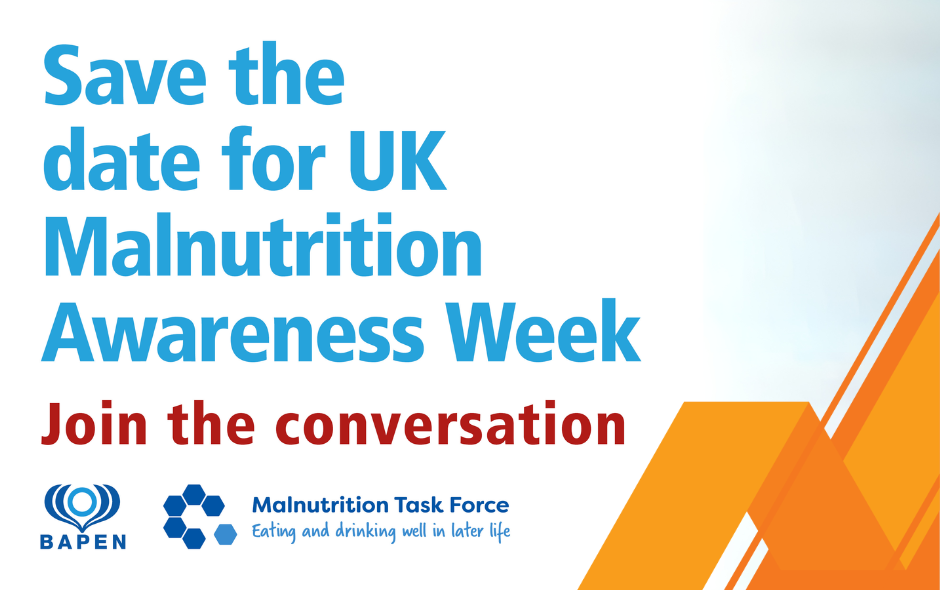
UK Malnutrition Awareness Week 2026 takes place from 16th to 22nd November, bringing together health and social care professionals, charities, carers and communities to raise awareness of malnutrition and dehydration across the UK.
Led by the Malnutrition Task Force (MTF) in partnership with the British Association for Parenteral and Enteral Nutrition (BAPEN), this year’s campaign highlights the importance of recognising nutritional risk early and ensuring people receive the support they need.
With the theme of Every Contact Counts, UK Malnutrition Awareness Week 2026 encourages everyone working across health and social care to recognise that everyday interactions can provide valuable opportunities to identify the signs of malnutrition and dehydration before they become more serious.
What Is Malnutrition?
Malnutrition occurs when a person’s diet does not provide the nutrients that their body needs to maintain good health. While the term can refer to both undernutrition and overnutrition, UK Malnutrition Awareness Week primarily focuses on undernutrition, which is when someone is not getting enough energy, protein, vitamins and minerals in their diet.
It is often associated with people who are underweight, but malnutrition can affect individuals of any age or body size. Someone can appear to be a healthy weight and still experience nutritional deficiencies or inadequate nutritional intake.
Malnutrition can develop for several reasons, including things like illness, difficulties swallowing, reduced appetite, mental health challenges, social isolation and financial difficulties that make accessing or preparing nutritious food more challenging.
Malnutrition can have a significant impact on physical health, emotional wellbeing and an individual’s overall quality of life.
Signs and Risks of Malnutrition
One of the biggest challenges in addressing malnutrition is recognising it early. Symptoms can develop gradually and may be overlooked, particularly in individuals who already have complex health or care needs.
Some of the most common signs of malnutrition include:
-
Unintentional weight loss
-
Reduced appetite
-
Persistent tiredness
-
Frequent illness
-
Poor wound healing
-
Changes in appearance
It is important to remember that not everyone experiencing malnutrition will display obvious physical symptoms. Changes in behaviour, mood, concentration and general wellbeing can also indicate that someone may need additional support.
Certain groups may be more vulnerable, including older adults, people living with long-term health conditions, individuals recovering from surgery or illness, and those experiencing social isolation or financial hardship.
Why Early Identification and Intervention Matter
Identifying malnutrition early is essential to preventing further deterioration in someone’s health.
When the body does not receive sufficient nutrients, it can struggle to maintain muscle strength, support the immune system and repair damaged tissue. This can increase vulnerability to infections, falls, delayed recovery and hospital admissions.
For people already managing long-term health conditions, poor nutrition can make existing symptoms more difficult to manage and potentially complicate treatment and recovery.
Early identification allows healthcare professionals to assess nutritional needs, understand the underlying causes and introduce appropriate support. This may include dietary advice, fortified foods, nutritional supplements or referrals to a registered dietitian, depending on the individual’s circumstances.
Nutritional screening is an important part of this process. Tools such as BAPEN’s Malnutrition Universal Screening Tool help appropriately trained professionals identify adults who are malnourished or at risk, supporting timely assessment and intervention.
The Importance of Hydration in Nutritional Health
Alongside malnutrition, UK Malnutrition Awareness Week 2026 places a particular emphasis on dehydration and the importance of maintaining adequate fluid intake. Nutrition and hydration are closely connected, yet hydration can sometimes receive less attention within health and social care settings.
Dehydration occurs when the body loses more fluid than it takes in. It can affect physical and cognitive functioning, contributing to symptoms such as headaches, dizziness, tiredness, confusion and reduced concentration.
Older adults and people living with certain health conditions may be particularly vulnerable, especially if they have difficulty recognising thirst, accessing drinks independently or swallowing safely.
Health and social care professionals can help by regularly encouraging fluid intake, making drinks accessible, monitoring changes in hydration and recognising when someone may need further assessment.
How Health and Social Care Professionals Can Help
A central message of UK Malnutrition Awareness Week 2026 is Ask, Look, Listen.
Ask: Take the time to ask individuals about their appetite, eating habits and fluid intake. Have they noticed any changes? Are they finding it difficult to prepare meals or maintain a regular eating routine?
Look: Look for unintentional weight loss in things like loose-fitting clothing, changes in appearance, or limited access to food and drinks.
Listen: Pay attention to what individuals are communicating about their health and circumstances. Loneliness, low mood, financial pressures, illness and difficulties with everyday tasks can all influence someone’s ability to maintain good nutrition.
Taking a person-centred approach helps professionals understand the wider circumstances affecting someone’s nutritional health, rather than focusing solely on what they eat and drink.
It also reinforces the importance of multidisciplinary working. Nurses, GPs, dietitians, pharmacists, social workers, care workers and other health professionals all have opportunities to identify concerns and help individuals access appropriate support.
Find out more about TBHG and our health and wellbeing services, or get in touch with our team to discuss how we can support your organisation.